
Health in a World of Crises and Impunity
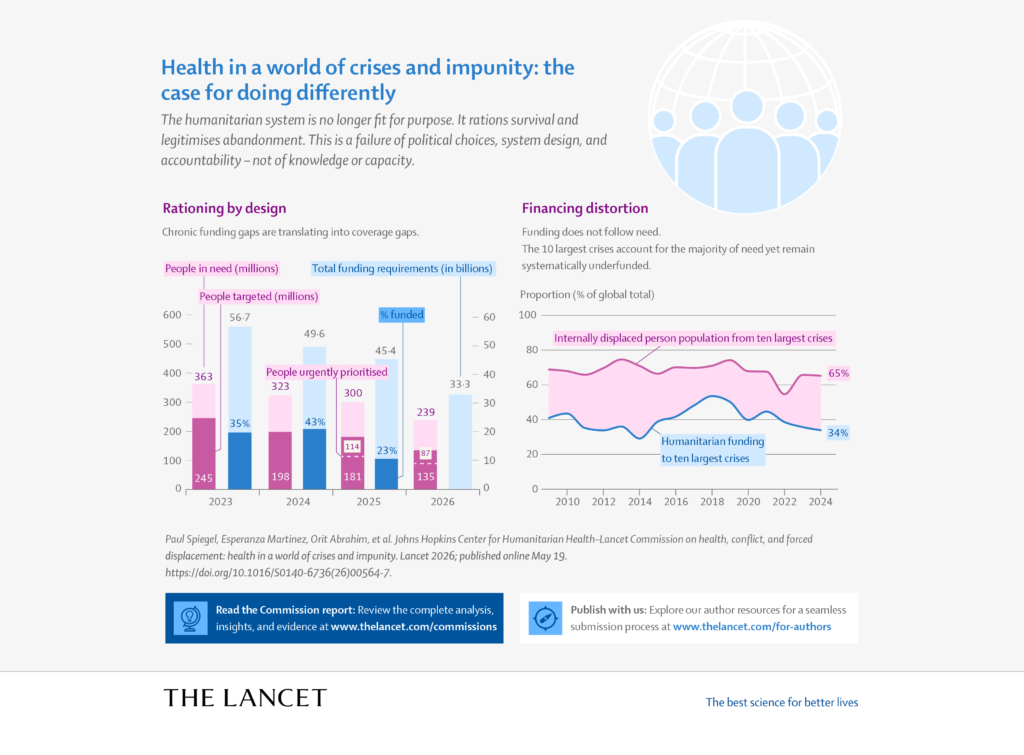
239 million people need humanitarian assistance.
Only 87 million will receive it.
A landmark new report from the Johns Hopkins Center for Humanitarian Health–Lancet Commission on Health, Conflict, and Forced Displacement calls for an urgent transformation of the global humanitarian system.
Launching 20 May 2026 in Geneva, alongside a global series of regional events across four continents.
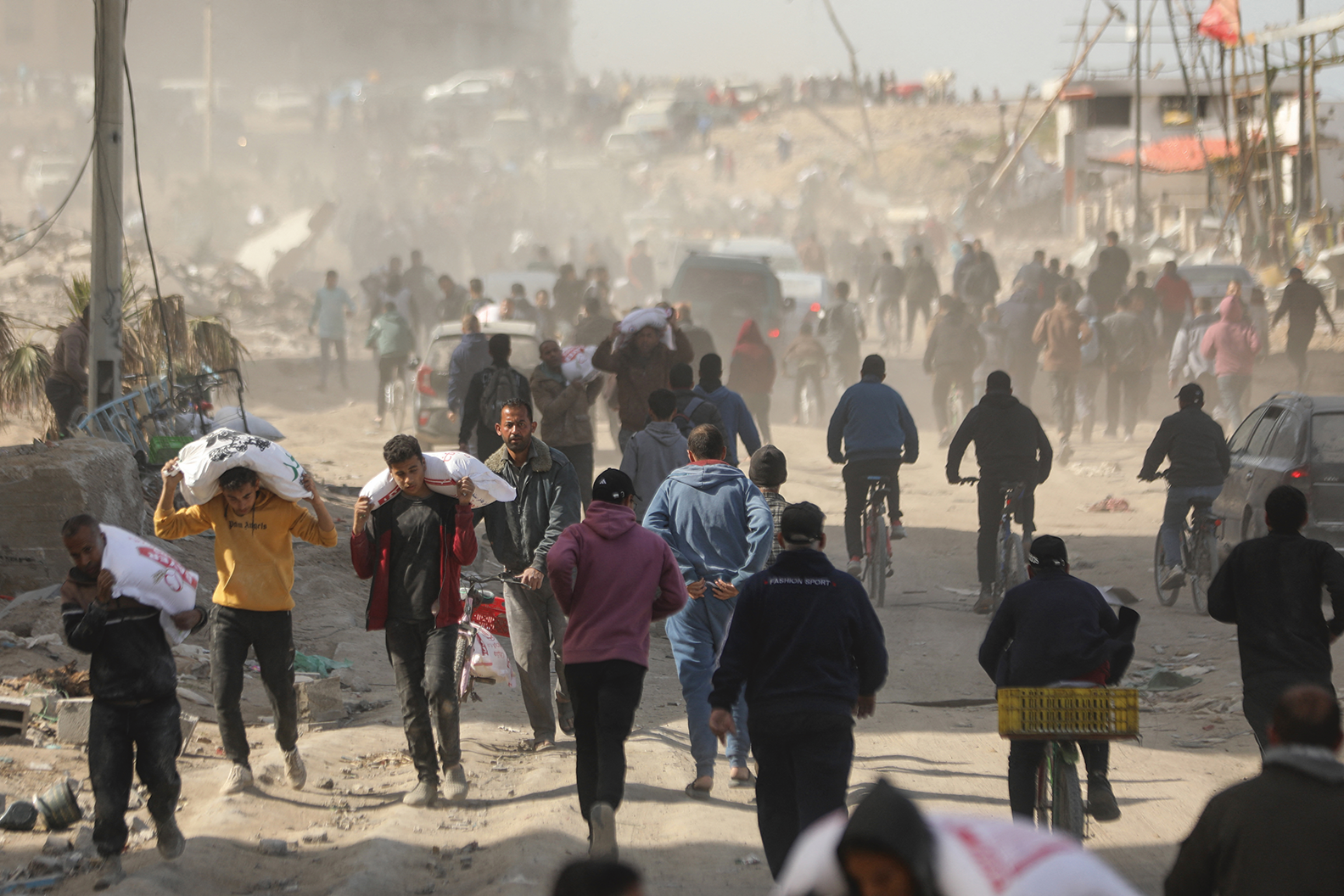
AFP via Getty Images
On this page:
- Why this report matters
- Voices
- Findings
- Recommendations
- Policy Briefs
- Infographics
- Report and resources
- Videos
- Events
- Media coverage
Why this report matters
The world is facing a convergence of armed conflict, forced displacement, climate shocks, political fragmentation, and attacks on healthcare systems. Humanitarian needs are rising dramatically, while protections and funding are eroding.
Health in a World of Crises and Impunity argues that the current humanitarian system is no longer capable of protecting lives at the scale required. The report calls for a new paradigm for humanitarian health — one that centres equity, accountability, local leadership, and the right to health.
“Behind every statistic in this report is a person
who has been failed by a system built to protect them.”
— Professor Paul Spiegel, Chair of the Commission
Voices shaping the Commission
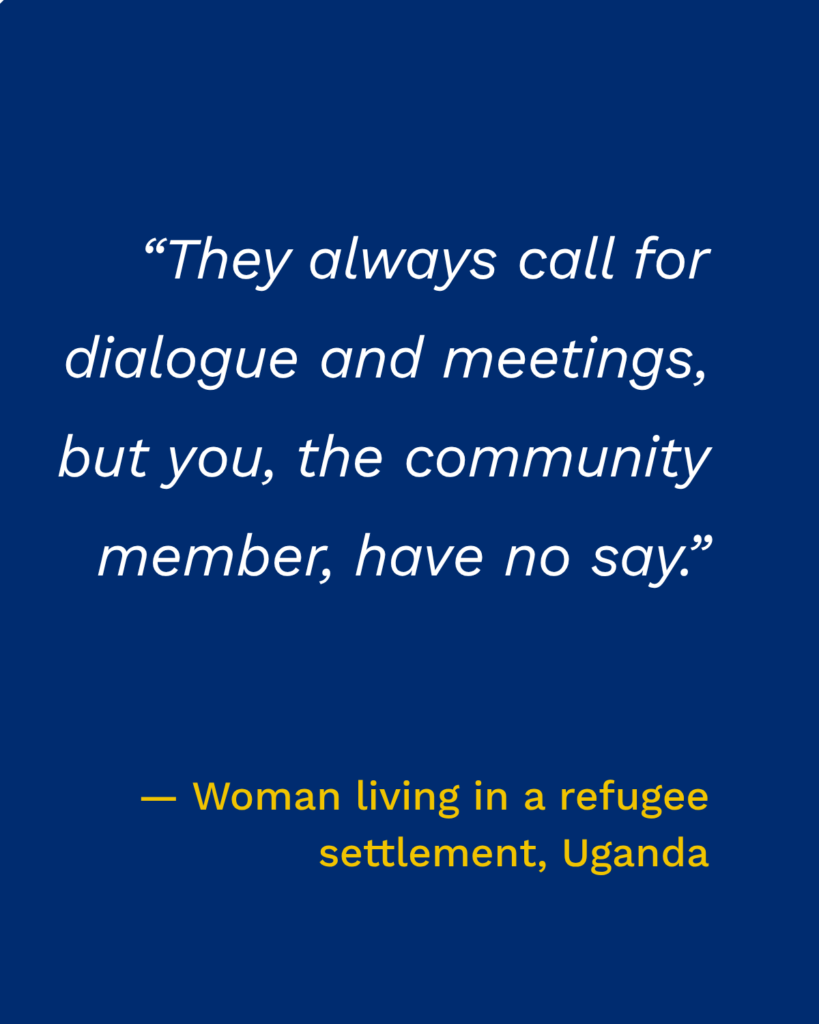
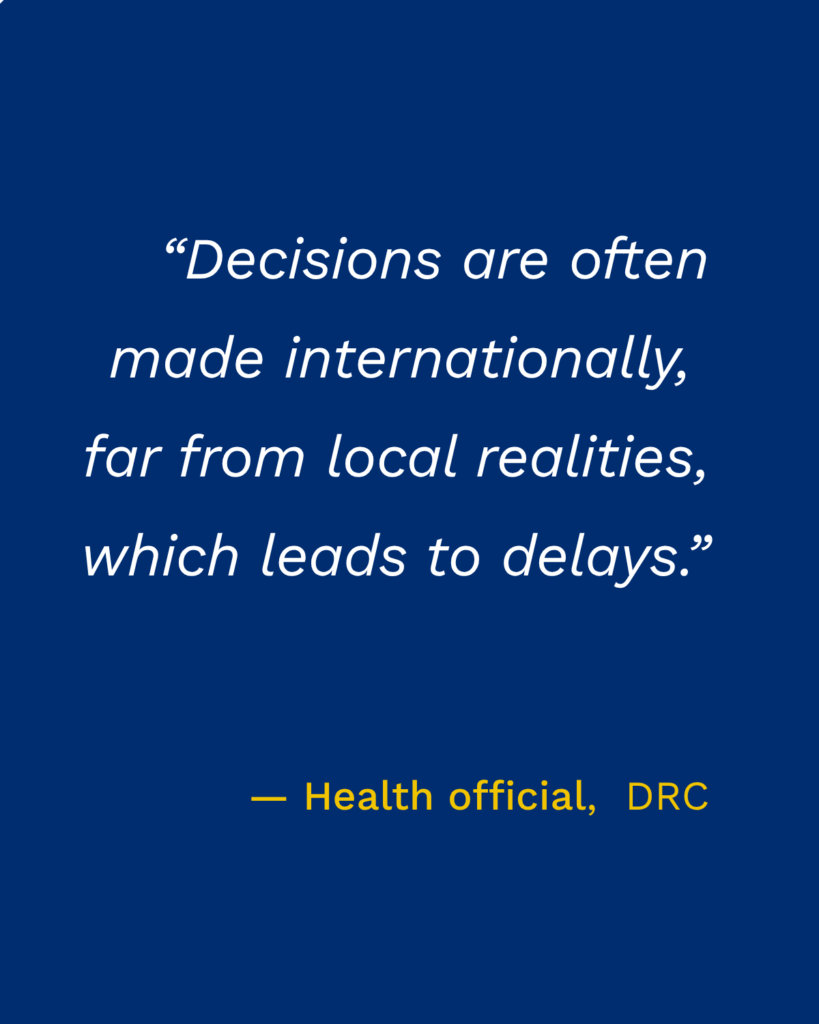
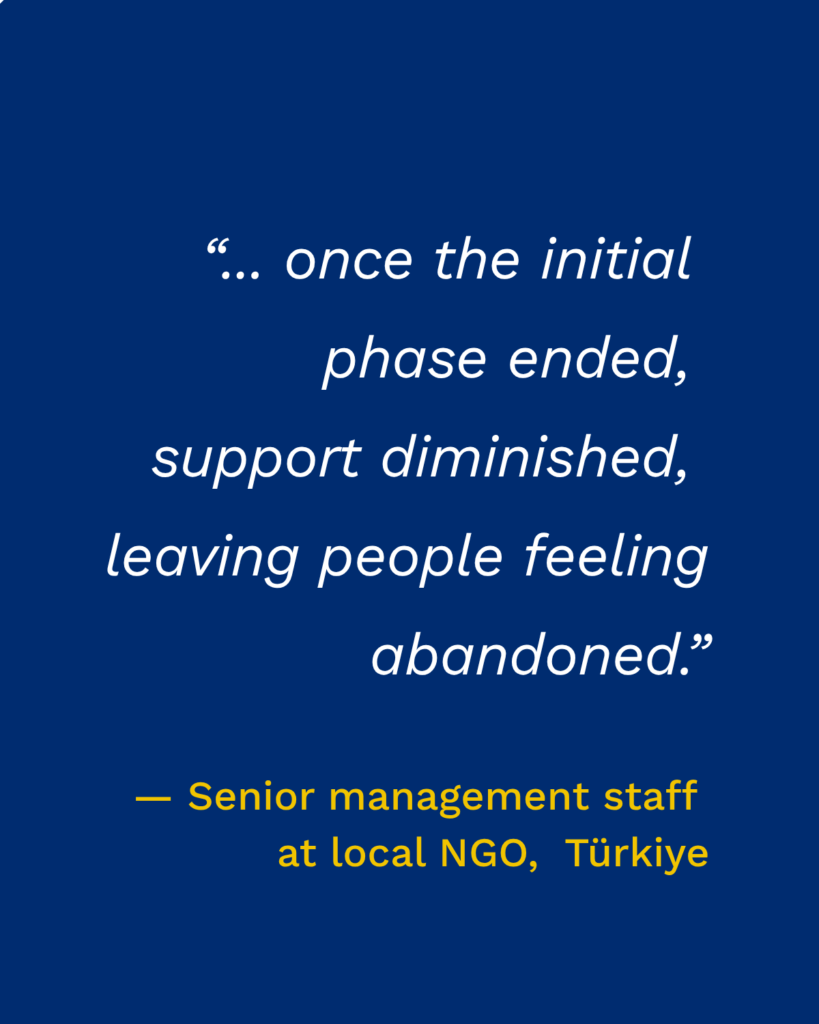
The Commission’s recommendations were informed by research, global consultations, and insights from 533 people across 12 countries affected by conflict and displacement.
Key findings
239 million
People expected to need humanitarian assistance in 2026.
87 million
People prioritised to receive life-saving support.
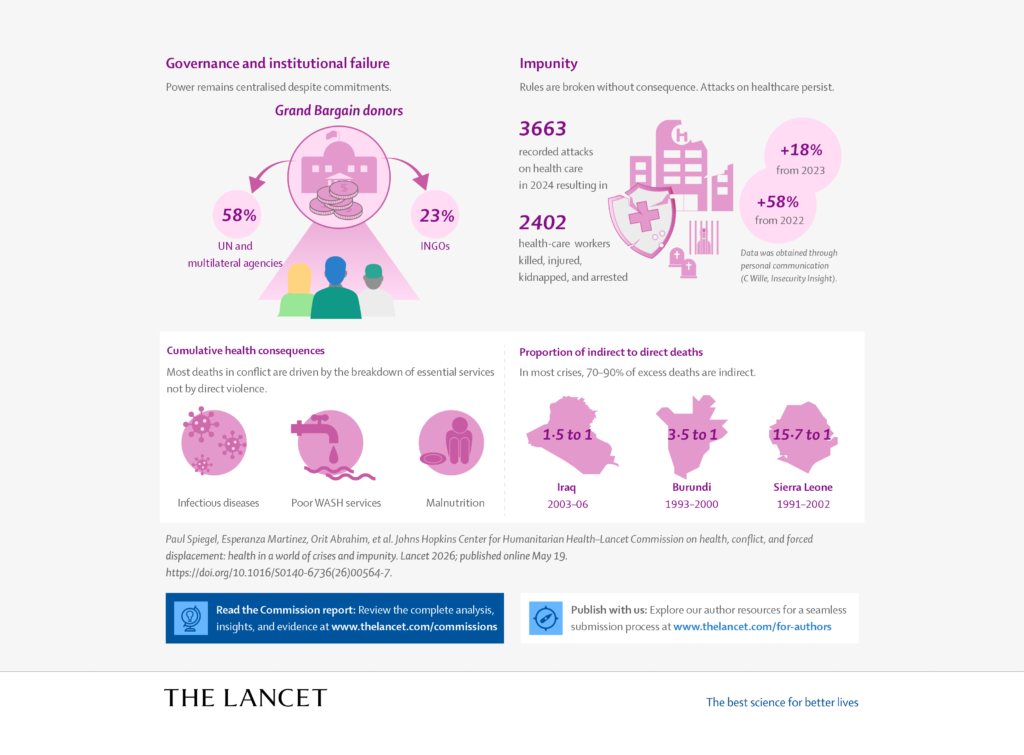
3,663
Incidents of violence against or obstruction of healthcare were documented in 2024 — the highest number on record.
70-90%
Of excess deaths in many conflicts are caused indirectly through the collapse of health services and essential systems.
$23 billion
Would meet the world’s most urgent humanitarian needs — less than 1% of annual global military expenditure.
A new paradigm for humanitarian health
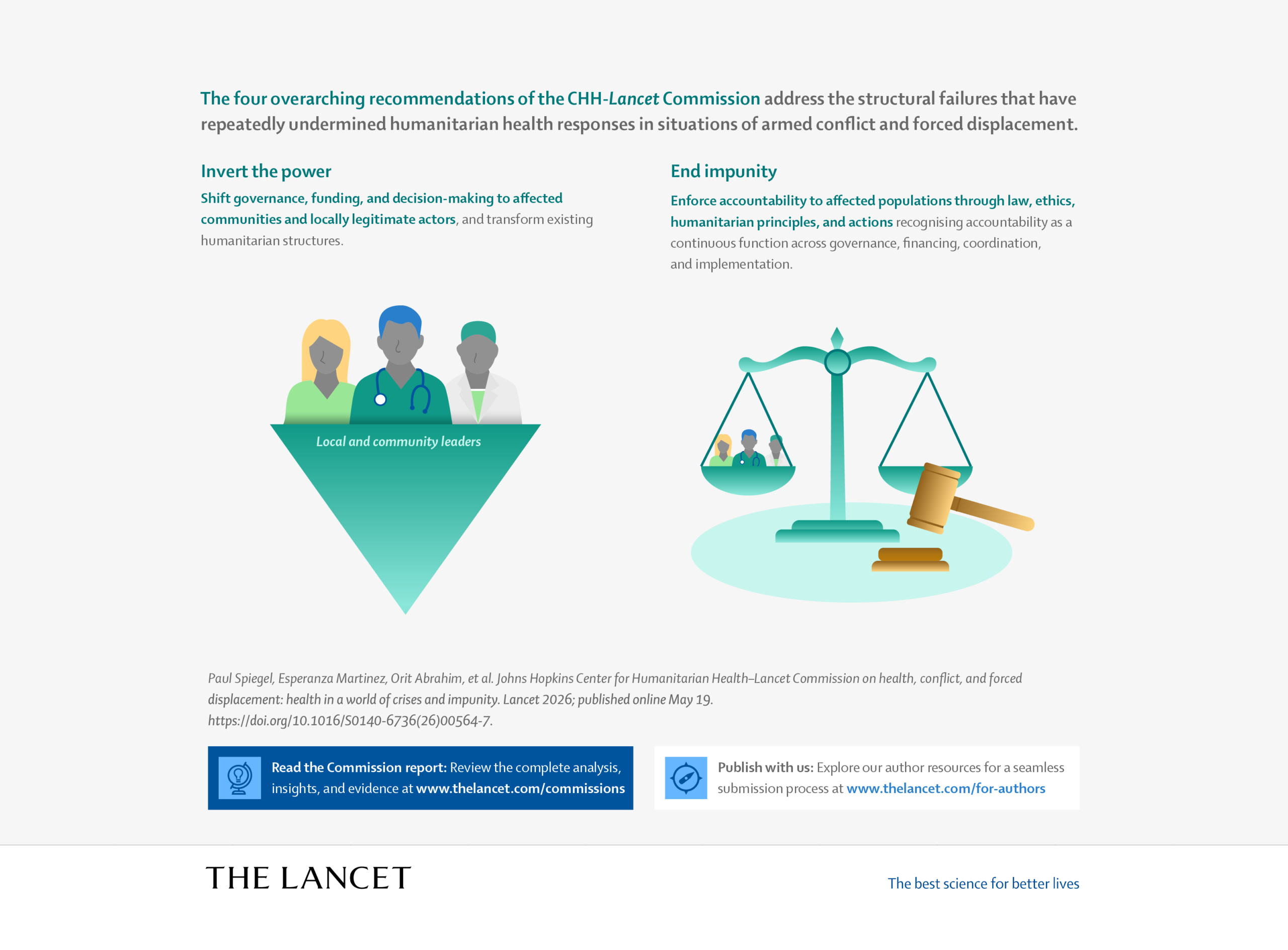
The Commission argues that incremental reform is no longer sufficient. It calls for structural transformation across four interconnected areas.
Transform humanitarian governance and operationalise localisation and decolonisation.
- Shift governance, funding, and decision-making to affected communities and locally legitimate actors.
- Apply a crisis typology and decision matrix to guide context-specific governance models and clarify the rationale, scope, and duration of regional and international actor involvement.
- Consolidate the fragmented UN humanitarian system toward a single, integrated and accountable operational entity, replace the Cluster System/Refugee Coordination Model where appropriate with fit-for-purpose incident management systems, and ensure coordination delivers clear leadership and measurable results.
Centre accountability in international humanitarian law and principled humanitarian action.
- Establish a Global Health Protection Alliance – comprising States, UN entities, and NGOs – to systematically act when health protections are violated.
- Apply five core humanitarian principles – humanity, impartiality, do no harm, solidarity, and accountability – to guide principled humanitarian action in contemporary humanitarian settings. Neutrality and independence remain essential and context-dependent means to ensure access and acceptance.
- Use health outcomes as measures of performance, indicators of compliance, and triggers for formal investigation and accountability across the system
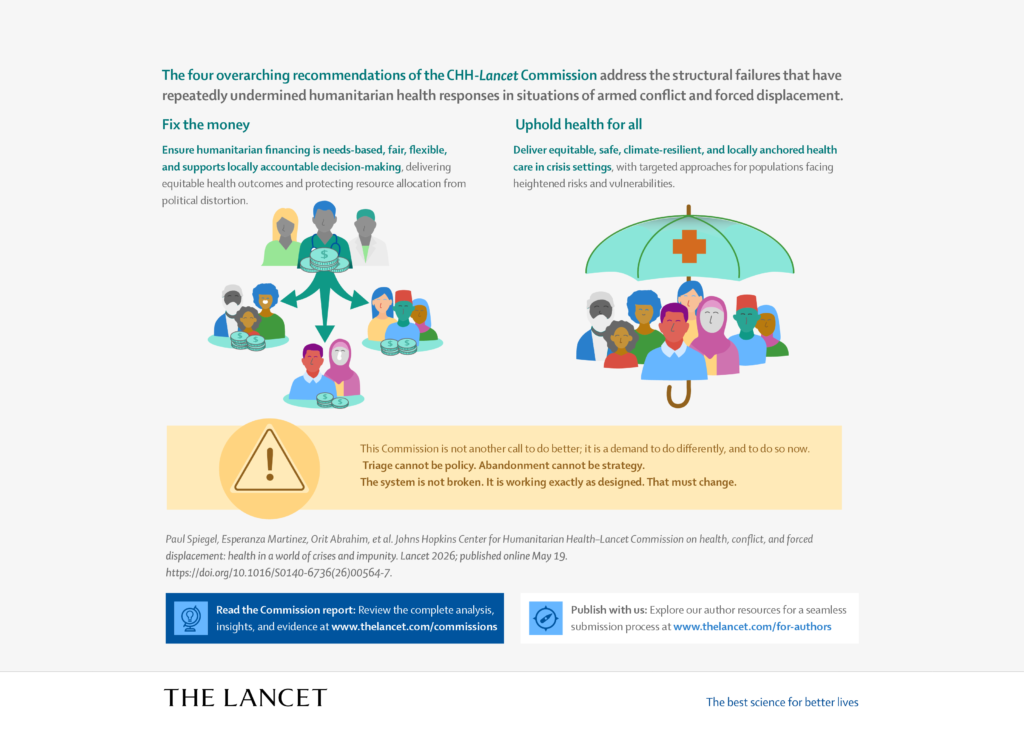
Scale predictable, needs-based, and equitable financing that centres the needs of affected populations and
supports the agency of local actors.
- Establish an independent global pooled humanitarian fund, governed independently of UN agencies and bilateral donors, with allocations based on assessed need and equity.
- Substantially expand cash-based assistance so that affected populations have agency over their own lives, strengthen local economies, and support more efficient and equitable delivery of assistance.
- Integrate humanitarian action with national health and social protection systems, ensuring displaced populations have access through these systems rather than parallel structures.
- Deploy innovative financing instruments – including anticipatory financing, blended finance, and disaster risk insurance – to diversify and stabilise financing.
Ensure continuity of equitable, safe, and locally anchored healthcare, with a focus on populations most at risk.
- Anchor health responses in the right to health, prioritising equity and essential services for populations at greatest risk, including women, children, older adults, and people with disabilities.
- Ensure continuity, quality, and safety of care across crisis settings, delivering essential services based on need and adapted to context, and integrate climate resilience and the use of technology – including artificial intelligence – as core enablers of system performance, with appropriate safeguards from the outset.
- Ensure the protection of health care and health workers as a non-negotiable right, integral to health outcomes and shared across States, non-State actors, and the humanitarian ecosystem.
- Integrate climate resilience into health systems transformation from the outset, including across health infrastructure, supply chains, and service delivery models.
- Deploy technology, including artificial intelligence, with appropriate safeguards for equity, data protection, and human oversight.
Policy briefs
Targeted policy briefs for eight groups including affected populations, authorities, regional organisations, national and international NGOs, UN agencies and donors.
- Affected populations
- National and subnational authorities
- Local and national NGOs
- Regional organizations
- UN agencies
- International NGOs
- Donors
- Academic and research institutions
Infographic: Explore the report’s findings and recommendations
Report and resources
Hear from the Commissioners and Next Generation Scholars
Commissioners and NextGen Scholars reflect on the report’s findings, recommendations, and implications for humanitarian health worldwide.
Global launch events
The launch of Health in a World of Crises and Impunity marked the beginning of a global series of conversations bringing together policymakers, practitioners, researchers, and affected communities.
- 20 May — Geneva
- 2 June — Washington, DC
- 11 June — Dakar
- 16 June — Nairobi
- 24 June — Amman
- 1 July — Dhaka
- 14 July — Bogotá
All events were held in person with public livestream access. View the event recordings.
Media coverage
The CHH–Lancet Commission’s report, Health in a World of Crises and Impunity, has attracted significant global attention, generating news coverage, interviews, op-eds, and podcasts on armed conflict, forced displacement, and humanitarian health. Explore the global media coverage of the CHH-Lancet Commission.
The humanitarian system can be reimagined
Explore the report, hear from affected communities and Commissioners, and join the global conversation on the future of humanitarian health.